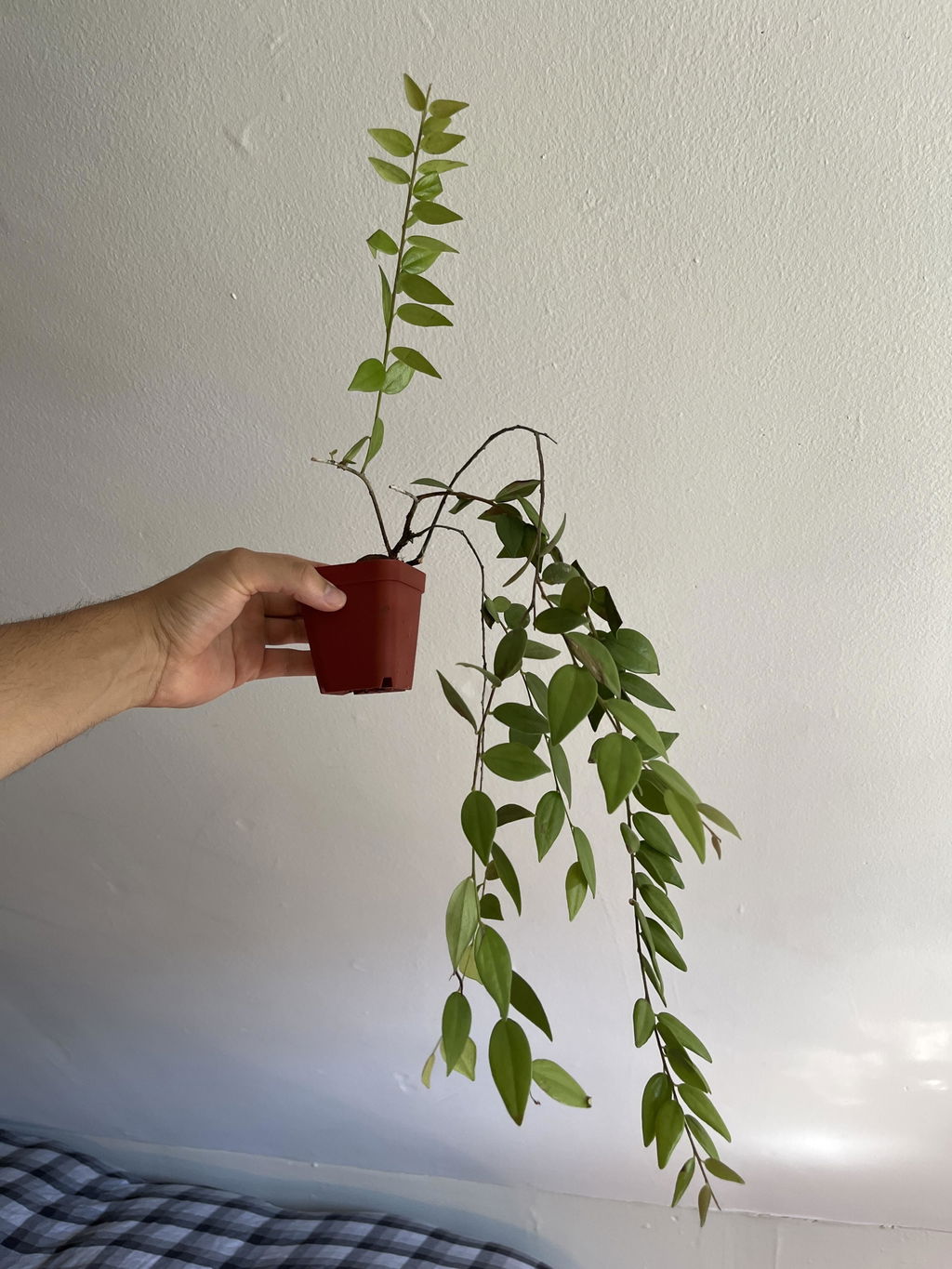
Got the plant (C. doucettei) in the Autumn sale, it has now arrived in good shape. After having bought other Ceratostema from EG in the past I have no doubt it will do well in my care. The size of the plant meets my expectations.
The one thing I'd like other people to be aware of when buying Ceratostema *for their caudex in particular* - as I'm sure I'm not the only one drawn to the caudiciform/lignotuberous nature of these Ericaceae - is that many of the specimen sold are from *cuttings*. That means you will get robust, healthy plants that are flowering size almost from the get go, but will have no visible caudex for quite a while (or ever, but I'm not sure there). Another species I've bought from Ecuagenera Europe as what was probably a cutting (Ceratostema "villosa", now loucianae) has started to show a small, but nice, spherical lignotuber when I repotted it recently, after a bit over a year in my care. I don't remember it having a visible lignotuber when I got it, but I can't be sure about that.
More insight on whether Ceratostema cuttings develop lignotubers would be appreciated from the Ecuagenera Team, as they are probably the pre-eminent authorities on the genus.
In any case, I'd highly recommend these plants. They are tolerant even in not-quite-perfect conditions, their foliage has an understated elegance as hanging plants, their beautiful flowers bloom frequently and they can be pollinated to produce edible (though rather bland tasting) berries.